HAMMERTOES DEFORMITY |
HAMMERTOES DEFORMITY |
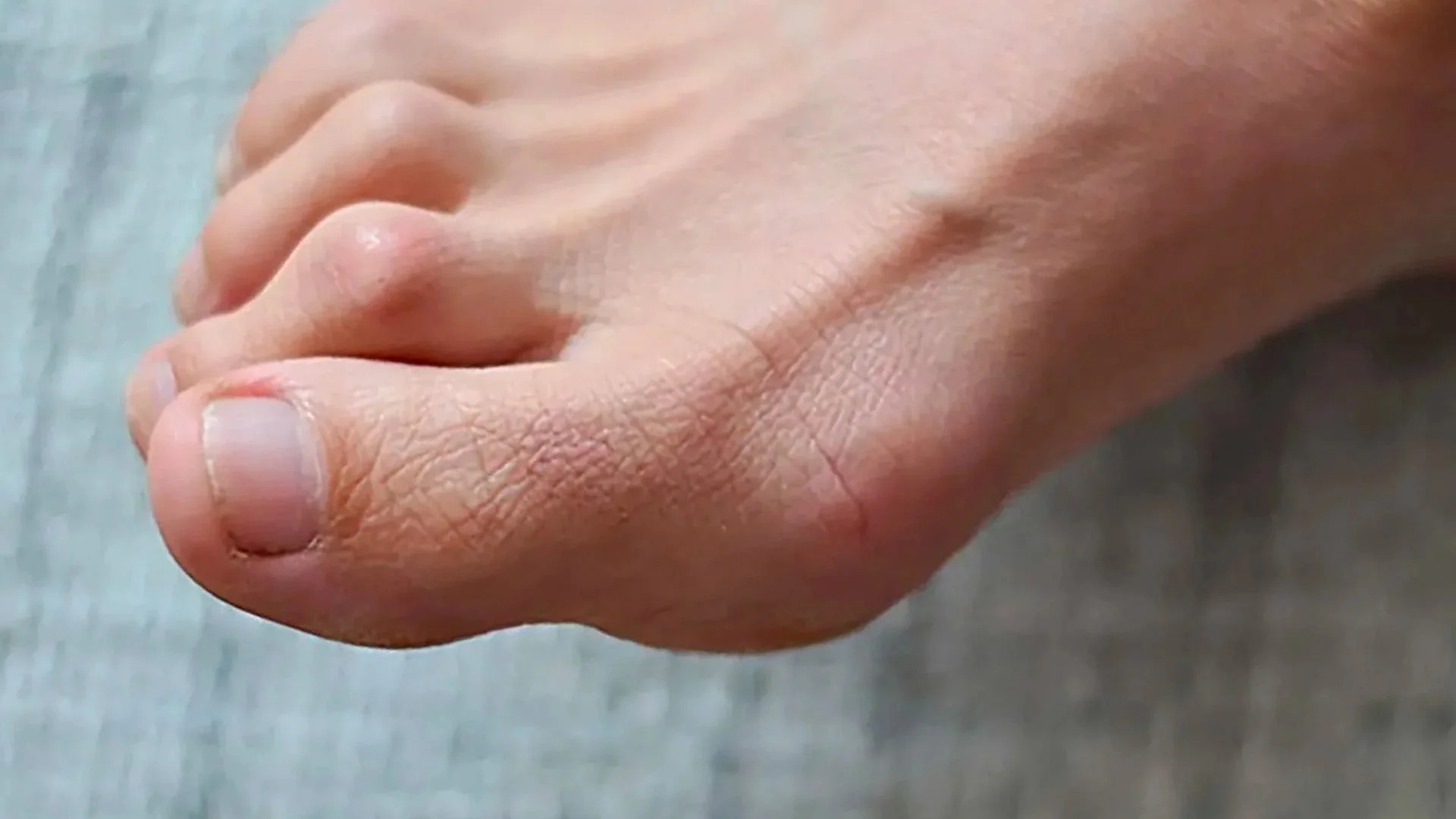
Hammertoes
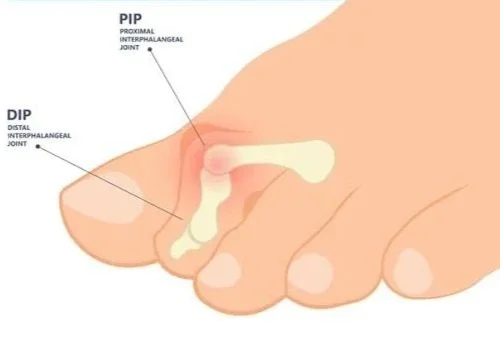
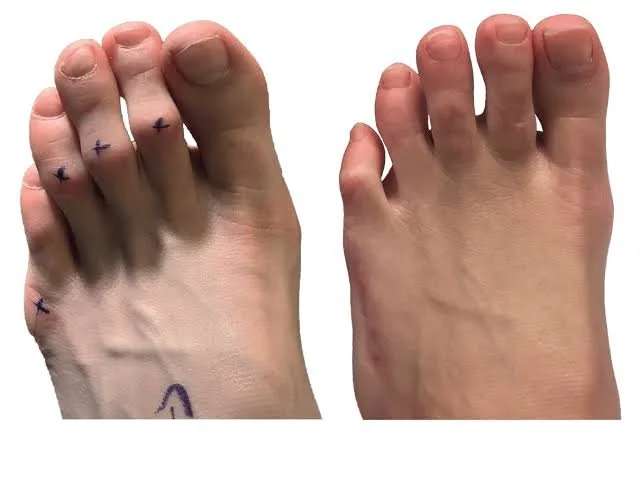
Hammertoes are a common foot deformity in which one or more of the smaller toes become bent at the middle joint, causing the toe to resemble a hammer. This abnormal positioning occurs when there is an imbalance in the muscles, tendons, or ligaments that normally keep the toe straight. Over time, the affected toe may become rigid and difficult to move.
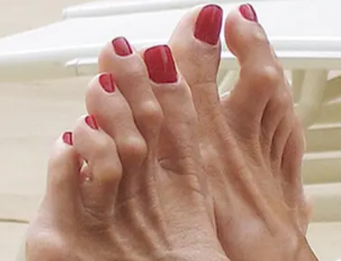
Signs & Symptoms
Common Signs and Symptoms
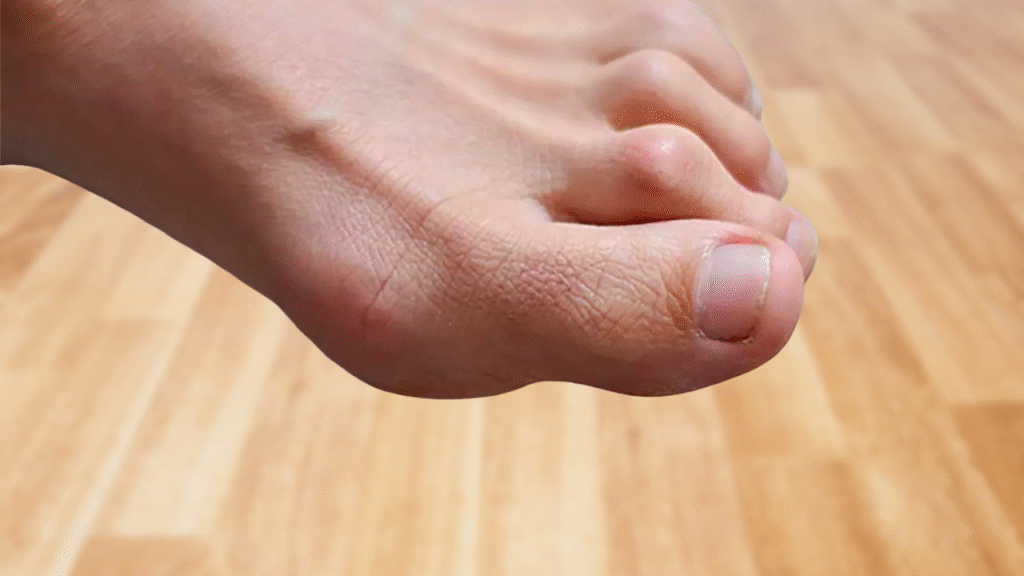
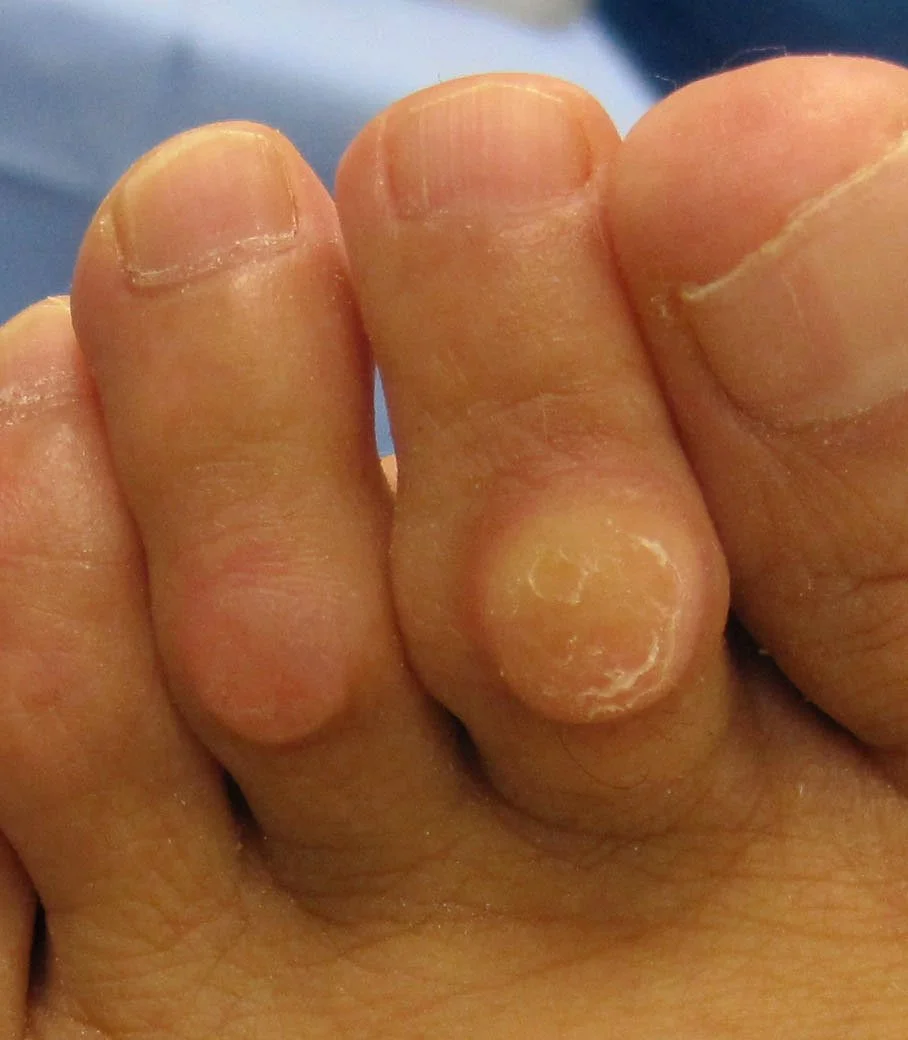
Abnormal bending of one or more toes at the middle joint
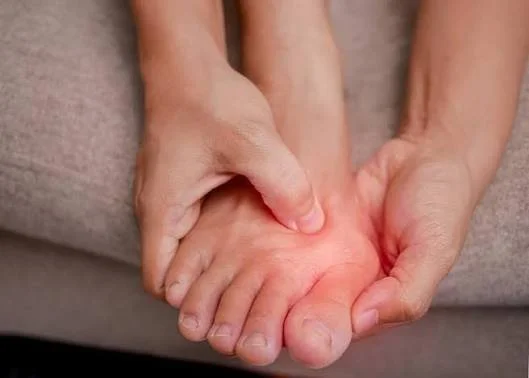
Pain or discomfort in the affected toe, especially when wearing shoes
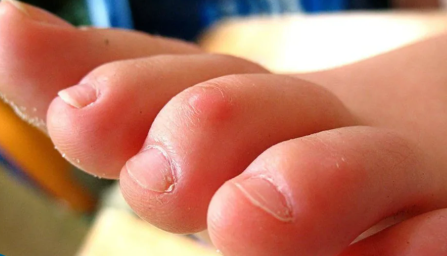
Corns or calluses on the tops of the toes due to friction against footwear
Redness, swelling, or irritation over the affected joints
Difficulty fitting into certain shoes
Tenderness when pressure is applied to the toe
Restricted movement or stiffness of the affected toe
Pain in the ball of the foot due to altered pressure distribution
Toe weakness or imbalance
Advanced Symptoms
Rigid toe deformity that cannot be straightened manually
Chronic pain and inflammation
Overlapping or crossing of adjacent toes
Development of additional corns, calluses, or pressure sores
Difficulty walking or participating in daily activities
Progressive worsening of the toe deformity
When to Seek Medical Attention
Persistent toe pain or swelling
Difficulty wearing shoes comfortably
Progressive toe deformity
Development of corns, calluses, or skin breakdown
Difficulty walking or maintaining balance
Signs & Symptoms
Causes
Muscle and tendon imbalance affecting toe alignment
Structural abnormalities of the foot
Wearing tight, narrow, or ill-fitting shoes
High-heeled footwear that places excessive pressure on the toes
Progressive foot deformities such as bunions
Trauma or injury to the toe
Abnormal foot mechanics and gait patterns
Chronic pressure and friction on the toes
Risk Factors
Family history of foot deformities
Wearing high heels or shoes with a narrow toe box
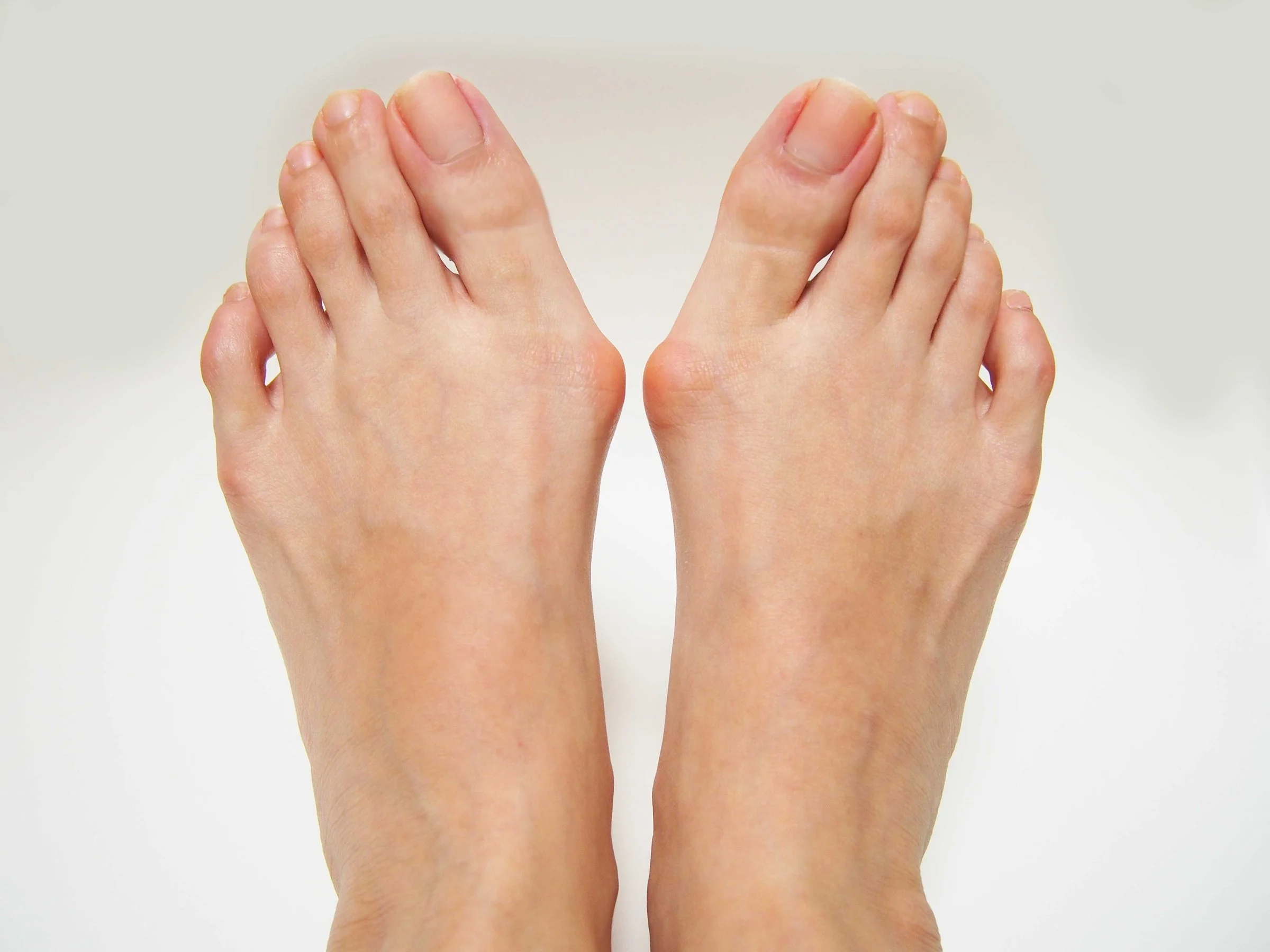
Bunions (hallux valgus)
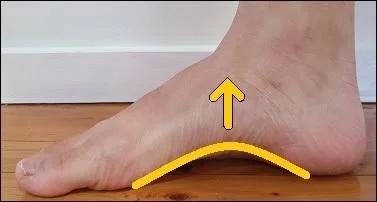
Flat feet or high-arched feet
Arthritis and other inflammatory joint conditions
Previous foot or toe injuries
Diabetes and certain neuromuscular disorders
Age-related changes in foot structure and muscle balance
Occupations or activities that place repetitive stress on the feet

Individuals at Higher Risk
Women are more commonly affected due to footwear choices that place increased pressure on the toes. Individuals with underlying foot deformities, arthritis, diabetes, or neuromuscular conditions may also have a higher risk of developing hammertoes.
Diagnosis & Test
Diagnostic Imaging
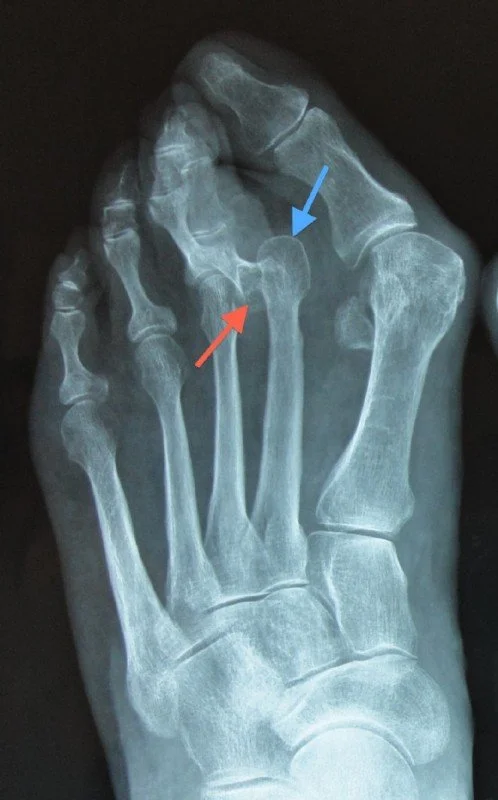
X-rays
The most common imaging test used to evaluate hammertoes
Helps assess the severity of the deformity
Identifies joint changes, arthritis, or associated foot abnormalities
Assists in surgical planning when necessary
Ultrasound (When Indicated)
May be used to evaluate surrounding soft tissues, tendons, and ligaments
MRI (Magnetic Resonance Imaging)
Rarely required but may be recommended when additional soft tissue evaluation is needed or when other foot conditions are suspected
Medical History and Symptom Review
Your healthcare provider may discuss:
When symptoms began
The severity and location of pain
Difficulty wearing shoes or participating in activities
Previous foot injuries or surgeries
Family history of foot deformities
Underlying medical conditions such as arthritis or diabetes
Physical Examination
A comprehensive foot examination may include:
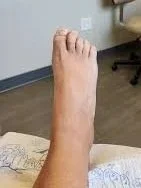
Evaluation of toe alignment and deformity
Assessment of whether the toe is flexible or rigid
Examination for corns, calluses, redness, or skin irritation
Evaluation of foot structure and biomechanics
Assessment of joint mobility and range of motion
Observation of gait and walking pattern
Evaluation for associated conditions such as bunions or metatarsalgia
Management & Treatment
Conservative Treatment
Footwear Modifications
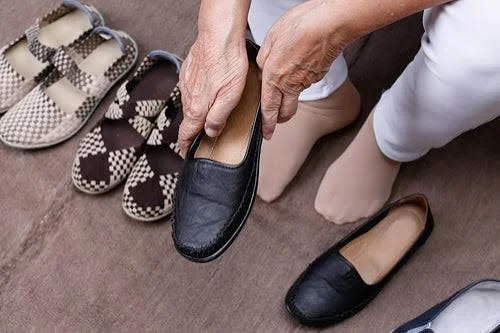
Wear shoes with a wide, deep toe box to reduce pressure on the toes
Avoid high heels and narrow-fitting footwear
Choose supportive shoes that accommodate the deformity comfortably
Protective Padding
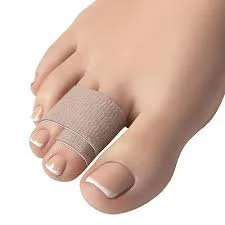
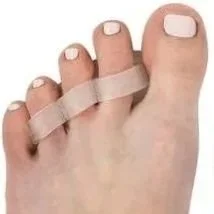
Use cushions, toe sleeves, or padding to reduce friction and pressure
Helps prevent corns, calluses, and skin irritation
Orthotics
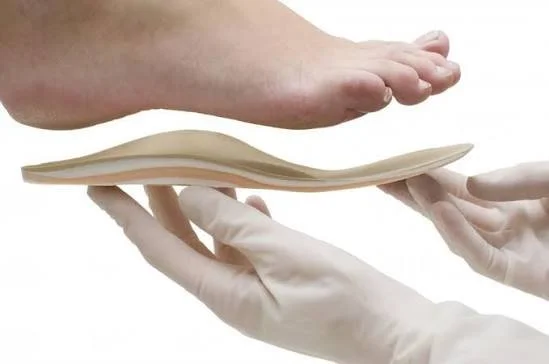
Custom or over-the-counter orthotics may improve foot mechanics and redistribute pressure
Can help reduce symptoms associated with underlying foot abnormalities
Toe Exercises and Stretching
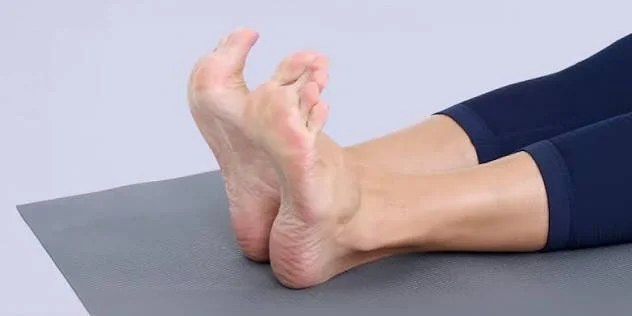
Exercises may help maintain flexibility and strengthen the muscles that support proper toe alignment
Most beneficial in flexible hammertoe deformities
Activity Modification
Avoid activities and footwear that aggravate symptoms
Reduce repetitive pressure on the affected toes
Medical Management
Routine care of corns and calluses to relieve pressure and discomfort
Anti-inflammatory medications as directed by a healthcare provider to help manage pain and inflammation
Monitoring for progression of the deformity
Surgical Treatment
Surgery may be recommended when conservative treatment fails to provide relief or when the hammertoe becomes rigid and painful.
Common surgical procedures may include:
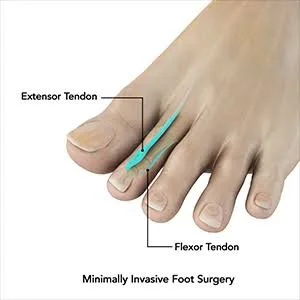
Tendon release or tendon transfer
Joint realignment procedures
Arthroplasty (joint resection)
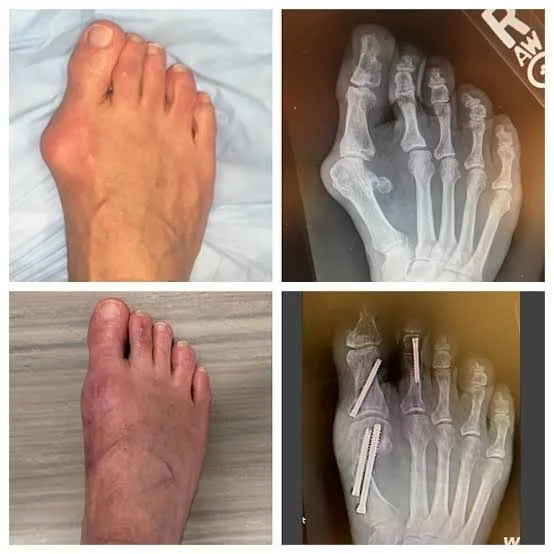
Arthrodesis (joint fusion)
Correction of associated foot deformities, such as bunions
Recovery and Rehabilitation
Recovery depends on the procedure performed and severity of the deformity
Postoperative care may include protective footwear, activity restrictions, and physical therapy
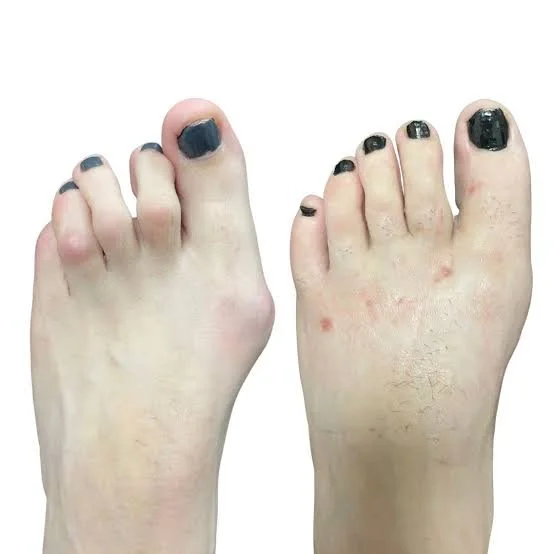
Most patients experience significant improvement in pain, toe alignment, and function following successful treatment
Goals of Treatment
Relieve pain and discomfort
Improve toe alignment and function
Reduce pressure, corns, and calluses
Prevent progression of the deformity
Enhance mobility and quality of life
Prevention
While not all cases of hammertoes can be prevented, taking proactive steps to maintain proper foot health and reduce stress on the toes may help lower the risk of developing the condition or prevent it from worsening.
Prevention Tips
Wear Properly Fitting Shoes
Choose shoes with a wide, deep toe box to allow adequate room for the toes
Avoid tight, narrow, or high-heeled shoes that place excessive pressure on the toes
Maintain Good Foot Support
Wear supportive footwear that promotes proper foot alignment
Consider orthotics if recommended to address abnormal foot mechanics
Perform Foot and Toe Exercises
Stretch and strengthen the muscles of the feet and toes regularly
Maintain flexibility and mobility of the toe joints
Address Foot Problems Early
Seek treatment for bunions, flat feet, high arches, or other foot deformities that may contribute to hammertoe development
Manage symptoms before they progress
Protect Your Feet from Injury
Wear appropriate footwear during sports and physical activities
Avoid repetitive trauma to the toes whenever possible
Maintain a Healthy Weight
Excess body weight can increase pressure on the feet and contribute to foot deformities
Monitor Existing Hammertoes
Follow treatment recommendations and attend regular evaluations if a hammertoe deformity is already present
Early intervention may help prevent the deformity from becoming rigid
Prognosis
The prognosis for hammertoes is generally favorable, especially when the condition is identified and treated early. Appropriate treatment can help relieve pain, improve toe alignment, enhance foot function, and prevent progression of the deformity.
Short-Term Prognosis
Many patients experience symptom relief with conservative treatments such as footwear modifications, padding, orthotics, and toe exercises.
Pain, irritation, and pressure-related symptoms often improve within weeks of initiating treatment.
Flexible hammertoes typically respond better to non-surgical management.
Mid-Term Prognosis
Continued use of supportive footwear and preventive measures can help maintain comfort and reduce progression of the deformity.
Patients often experience improved mobility and a reduction in corns, calluses, and shoe-related discomfort.
Regular foot care can help minimize recurrent symptoms.
Long-Term Prognosis
Long-term outcomes are generally excellent when hammertoes are managed appropriately.
Flexible deformities may remain stable with ongoing conservative care.
Untreated hammertoes may gradually become rigid, leading to increased pain, difficulty wearing shoes, and limitations in daily activities.
Surgical correction, when necessary, often provides lasting improvement in toe alignment, comfort, and function.
Factors That Influence Prognosis
Severity and duration of the deformity
Whether the hammertoe is flexible or rigid
Presence of associated foot conditions, such as bunions or arthritis
Patient adherence to treatment recommendations
Timeliness of diagnosis and intervention
Outlook
With early diagnosis and appropriate treatment, most individuals with hammertoes can successfully manage symptoms, maintain an active lifestyle, and achieve long-term improvement in comfort and foot function.
Hammertoes can make walking, exercising, and wearing shoes uncomfortable, but effective treatment options are available. Early intervention can help relieve pain, prevent progression of the deformity, and improve overall foot function. Whether your hammertoe is flexible or more advanced, our team provides personalized care to help you achieve lasting comfort and mobility.