ACHILLES TENDINITIS |
ACHILLES TENDINITIS |

Whether you are a weekend warrior or full-time warrior like the great Achilles, tendinitis can limit your ability to perform. Since everyone has different goals and different levels of injury this page provides general information and range of potential treatments that may vary based on your level of injury.
Achilles Tendinitisis
Achilles tendinitis is an inflammation of the Achilles tendon, the strong band of tissue that connects the calf muscles to the heel bone. It commonly develops due to overuse, sudden increases in physical activity, or repetitive stress on the tendon. Achilles tendinitis often causes pain, swelling, and stiffness along the back of the heel and ankle, particularly during or after exercise.
Achilles Tendinosis
Achilles tendinosis is a chronic degenerative condition of the Achilles tendon that occurs when the tendon fails to heal properly after repeated stress or injury. Unlike tendinitis, tendinosis involves tendon degeneration rather than active inflammation. It typically develops gradually and may cause persistent pain, thickening of the tendon, reduced flexibility, and difficulty with physical activities such as walking, running, or climbing stairs.
KEY DIFFERENCE:
Achilles Tendinitis: An acute or subacute inflammatory condition of the tendon.
Achilles Tendinosis: A chronic degenerative condition characterized by tendon fiber breakdown and impaired healing.
Symptoms
Achilles Tendinitis:
Pain along the back of the heel or lower calf
Tenderness over the Achilles tendon
Stiffness, especially in the morning or after periods of rest
Pain that worsens with walking, running, jumping, or other physical activities
Mild swelling along the tendon
Warmth or redness over the affected area
Discomfort when climbing stairs or walking uphill
Reduced flexibility of the ankle
Achilles Tendinosis:
Chronic or persistent pain along the Achilles tendon
Gradual onset of symptoms without a specific injury
Thickening or enlargement of the tendon
Stiffness that may improve with light activity but worsen with prolonged activity
Tenderness when the tendon is touched or squeezed
Weakness in the calf or ankle
Reduced strength and endurance during physical activities
Difficulty running, jumping, or pushing off while walking
Ongoing discomfort that may persist even after activity has ended

cause & Risk Factors
Achilles Tendinitis:
Causes
Sudden increase in physical activity or exercise intensity
Repetitive stress from running, jumping, or other high-impact activities
Tight or inflexible calf muscles
Inadequate warm-up before exercise
Improper training techniques
Wearing unsupportive or worn-out footwear
Running on uneven surfaces or steep inclines
Poor foot mechanics, such as overpronation
Risk Factors
Participation in sports involving running, jumping, or quick changes in direction
Middle age and older adults, as tendon flexibility decreases with age
Flat feet or abnormal foot biomechanics
Obesity or excess body weight
Occupations requiring prolonged standing or walking
Previous Achilles tendon injury
Limited ankle flexibility
Sedentary lifestyle followed by sudden activity
Certain medications, including some fluoroquinolone antibiotics and corticosteroids
Achilles Tendinosis:
Causes
Long-standing or untreated Achilles tendinitis
Repetitive overuse leading to tendon degeneration
Chronic mechanical stress on the tendon
Inadequate recovery between activities
Persistent biomechanical abnormalities
Age-related tendon degeneration
Recurrent tendon injuries
Risk Factors
Chronic overuse from sports or physical activity
Age-related changes in tendon structure and healing capacity
Tight calf muscles and reduced flexibility
Poor foot and ankle biomechanics
Flat feet, high arches, or overpronation
Obesity
Previous Achilles tendon injuries
Inadequate conditioning or muscle weakness
Poorly fitting footwear
Smoking, which may impair tendon healing
Key Difference
Achilles Tendinitis: Primarily caused by acute or repetitive overuse resulting in inflammation of the tendon.
Achilles Tendinosis: Results from chronic degeneration and failed healing of the tendon due to long-term repetitive stress.
Diagnosis & Tests

Achilles Tendinitis:
Diagnostic Evaluation
Review of symptoms and activity level
Physical examination of the Achilles tendon and ankle
Assessment of tenderness, swelling, and range of motion
Evaluation of calf muscle tightness and ankle flexibility
Gait and biomechanical assessment
Diagnostic Tests
X-rays: May be used to identify bone spurs, calcifications, or other structural abnormalities.
Ultrasound: Helps evaluate tendon inflammation, thickening, and partial tears.
MRI (Magnetic Resonance Imaging): Provides detailed images of the tendon and surrounding structures when symptoms are severe or persistent.
Achilles Tendinosis:
Diagnostic Evaluation
Review of chronic symptoms and previous tendon injuries
Physical examination of the tendon for thickening and tenderness
Assessment of ankle mobility and calf muscle flexibility
Evaluation of functional limitations and activity-related pain
Analysis of foot mechanics and gait abnormalities
Diagnostic Tests
Ultrasound: Commonly used to detect tendon thickening, fiber disorganization, and degenerative changes.
MRI (Magnetic Resonance Imaging): Provides detailed visualization of tendon degeneration, chronic microtears, and tendon thickening.
X-rays: May reveal calcifications or associated bony abnormalities contributing to chronic tendon stress.
Key Difference
Achilles Tendinitis: Diagnosis focuses on identifying acute inflammation and tendon irritation.
Achilles Tendinosis: Diagnosis focuses on detecting chronic tendon degeneration, structural changes, and impaired healing.
Management & Treatment
Achilles Tendinitis:
Conservative Treatment
Rest and activity modification
Ice application to reduce pain and swelling
Stretching exercises for the calf muscles and Achilles tendon
Physical therapy to improve flexibility and strength
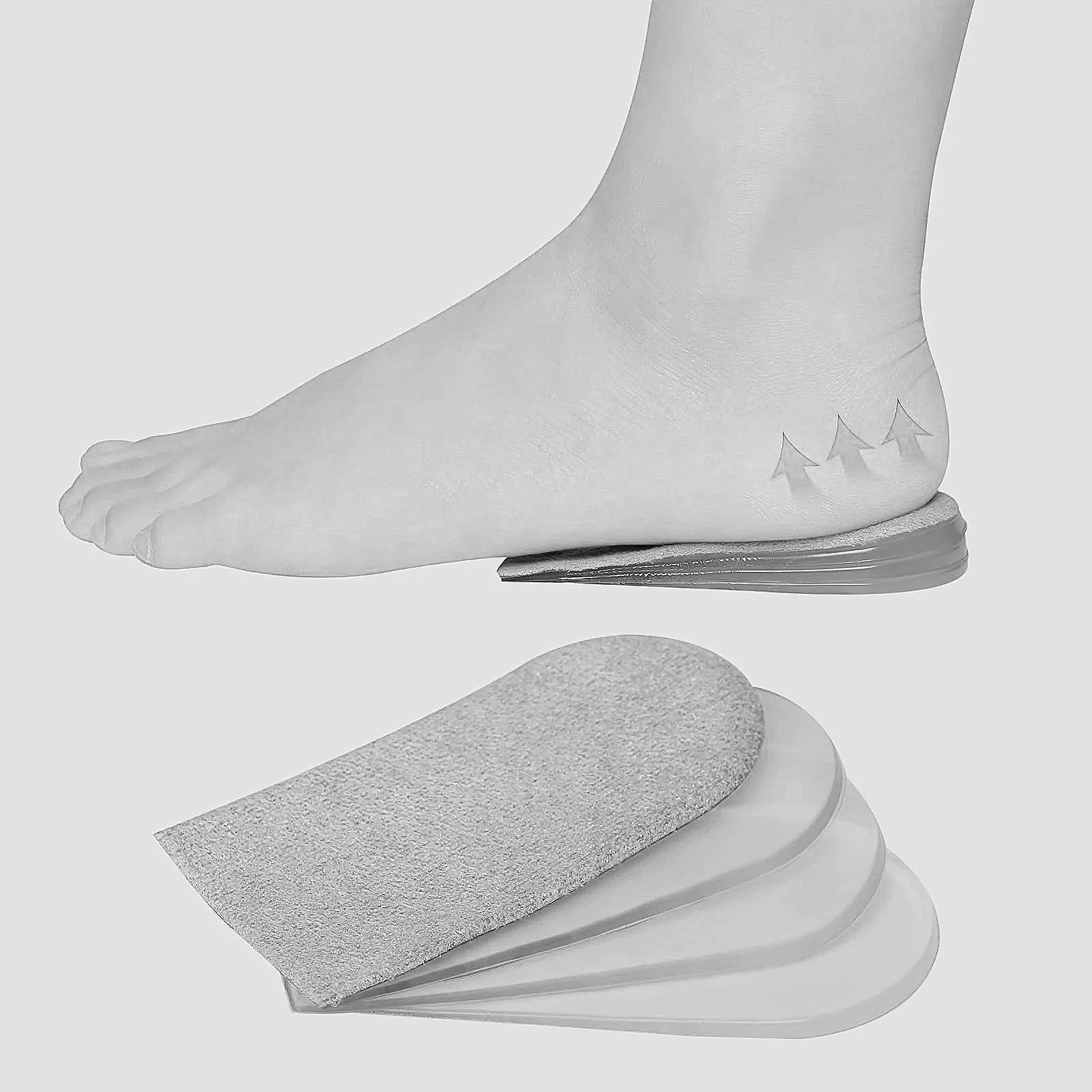
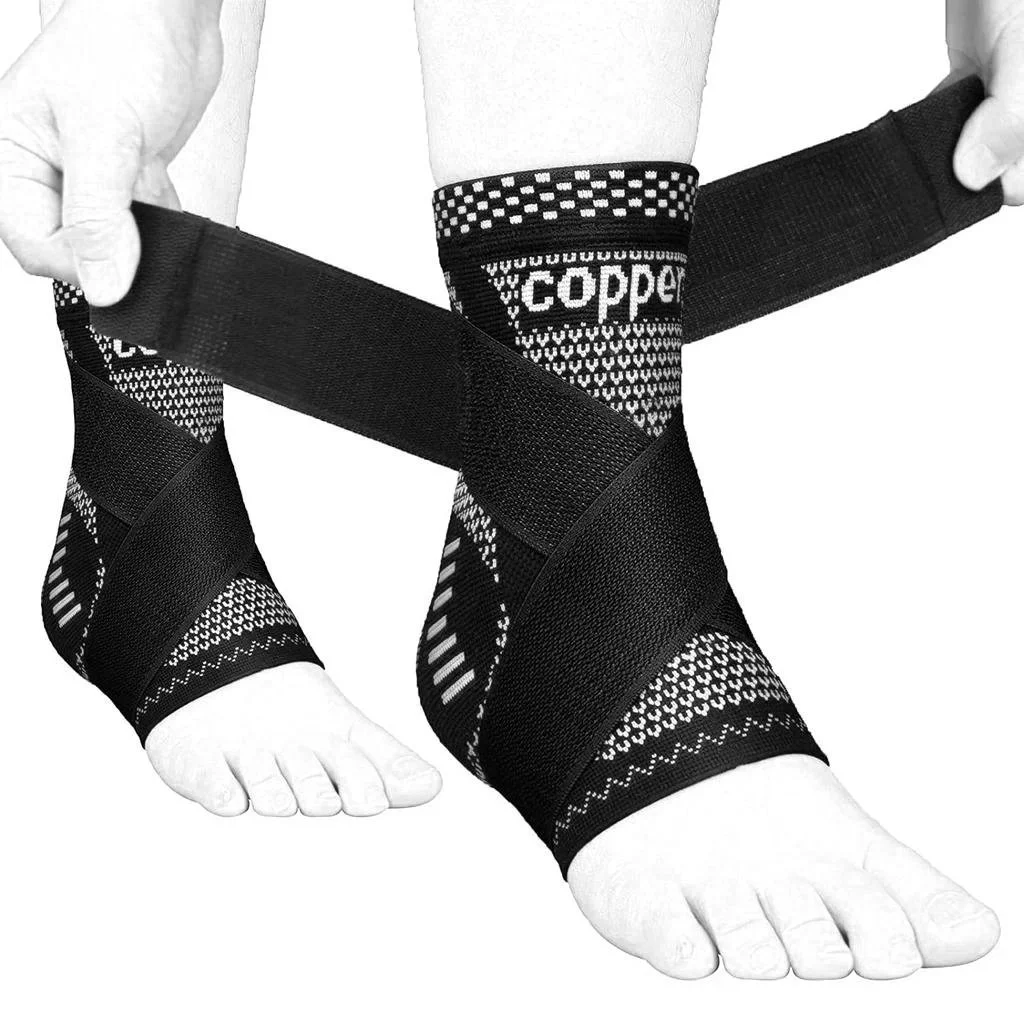
Supportive footwear and heel lifts
Custom orthotics to address biomechanical abnormalities
Temporary immobilization in severe cases
Gradual return to activity as symptoms improve
Medical Management
Anti-inflammatory medications as directed by a healthcare provider
Evaluation and correction of underlying biomechanical factors
Ongoing monitoring of symptoms and tendon function
Surgical Treatment
Rarely required
May be considered when symptoms persist despite prolonged conservative treatment or when significant tendon damage is present


Achilles Tendinosis:
Conservative Treatment
Activity modification to reduce repetitive tendon stress
Structured physical therapy program
Eccentric strengthening exercises for the Achilles tendon
Stretching of the calf muscles and surrounding soft tissues
Custom orthotics or supportive footwear
Heel lifts to reduce tendon strain
Shockwave therapy when appropriate
Gradual progression of strengthening and conditioning exercises
Medical Management
Assessment and treatment of underlying biomechanical abnormalities
Long-term rehabilitation focused on tendon remodeling and function
Monitoring for progression or worsening symptoms
Surgical Treatment
Considered for patients who fail extensive non-surgical treatment
May involve removal of degenerative tendon tissue and repair of the affected tendon
Postoperative rehabilitation is essential for recovery and return to activity


Key Difference
Achilles Tendinitis: Treatment emphasizes reducing inflammation and allowing the tendon to recover from acute injury.
Achilles Tendinosis: Treatment emphasizes tendon rehabilitation, strengthening, and promoting healing of chronically degenerated tendon tissue.
Prevention
Achilles Tendinitis:
Gradually increase exercise intensity and duration
Warm up properly before physical activity
Stretch the calf muscles and Achilles tendon regularly
Wear supportive, well-fitting footwear
Replace worn-out athletic shoes as needed
Avoid sudden increases in running distance or training intensity
Cross-train to reduce repetitive stress on the tendon
Maintain a healthy body weight
Address foot and ankle biomechanical abnormalities with appropriate support or orthotics
Allow adequate recovery time between workouts
Achilles Tendinosis:
Follow a balanced exercise program that includes strength and flexibility training
Perform regular calf and Achilles tendon stretching exercises
Incorporate eccentric strengthening exercises into fitness routines
Avoid repetitive overloading of the tendon
Increase activity levels gradually and consistently
Wear appropriate footwear for sports and daily activities
Correct abnormal foot mechanics with orthotics when indicated
Avoid exercising through persistent Achilles tendon pain
Maintain good overall conditioning and muscle balance
Seek early evaluation and treatment for Achilles tendon symptoms to prevent progression to chronic degeneration
Key Difference
Achilles Tendinitis: Prevention focuses on avoiding acute tendon irritation and inflammation caused by overuse.
Achilles Tendinosis: Prevention focuses on avoiding chronic tendon overload and degeneration through long-term tendon conditioning and proper rehabilitation of early symptoms.
Prognosis
Achilles Tendinitis:
The prognosis for Achilles tendinitis is generally excellent when diagnosed early and treated appropriately. Most individuals experience significant improvement with conservative treatment, including rest, physical therapy, stretching, and activity modification.
Short-Term Prognosis
Pain and inflammation often improve within several weeks with appropriate treatment.
Most patients experience gradual return of comfort and mobility.
Mid-Term Prognosis
Continued rehabilitation and strengthening help restore normal tendon function.
Most individuals can gradually return to regular activities and sports within a few months.
Long-Term Prognosis
Long-term outcomes are favorable when contributing factors are addressed.
Failure to adequately treat symptoms may increase the risk of recurrent injury or progression to chronic tendon degeneration.
Achilles Tendinosis:
The prognosis for Achilles tendinosis is generally good but recovery often requires a longer period due to the chronic degenerative nature of the condition.
Short-Term Prognosis
Symptoms may improve gradually with activity modification and structured rehabilitation.
Pain relief is often slower than with acute tendinitis.
Mid-Term Prognosis
Consistent strengthening and tendon-loading programs can significantly improve pain, function, and tendon health over several months.
Many patients return to desired activities with proper treatment and compliance.
Long-Term Prognosis
Long-term outcomes are favorable when chronic tendon stress is addressed and rehabilitation is maintained.
Some patients may experience persistent tendon thickening despite symptom improvement.
Untreated tendinosis may increase the risk of chronic pain, reduced function, or tendon rupture.
Key Difference
Achilles Tendinitis: Typically has a faster recovery and responds well to treatment aimed at reducing inflammation and allowing healing.
Achilles Tendinosis: Recovery is often slower because treatment focuses on repairing and strengthening chronically degenerated tendon tissue. With appropriate management, however, most patients achieve substantial improvement and return to normal activities.
Achilles tendon conditions can make walking, exercising, and everyday activities difficult. Whether you are experiencing Achilles tendinitis, tendinosis, or chronic heel pain, early diagnosis and proper treatment can help relieve symptoms, restore function, and prevent further tendon damage. Our team is dedicated to providing personalized care to help you return to an active, pain-free lifestyle.