BUNION |
BUNION |

Bunion
A bunion (hallux valgus) is a progressive deformity of the forefoot characterized by a bony prominence at the base of the big toe, where the first metatarsophalangeal (MTP) joint is located. It develops when the big toe gradually deviates inward toward the second toe, while the first metatarsal shifts outward, causing the joint to become enlarged and prominent.
This misalignment can lead to pain, swelling, redness, and irritation over the bunion area, particularly when wearing narrow or restrictive footwear. Over time, bunions may also contribute to joint stiffness, formation of calluses, and difficulty with shoe wear and daily activities.
Common contributing factors include genetic predisposition, abnormal foot biomechanics, arthritis, and prolonged use of tight or poorly supportive footwear. In some cases, structural foot types such as flat feet or excessive pronation may increase the risk of development or progression.
Treatment depends on severity and symptom level. Conservative options include wearing wider, supportive shoes, using padding or orthotics, and activity modification to reduce pressure on the joint. In more advanced or symptomatic cases, surgical correction may be considered to realign the joint and restore function.
Signs & Symptoms
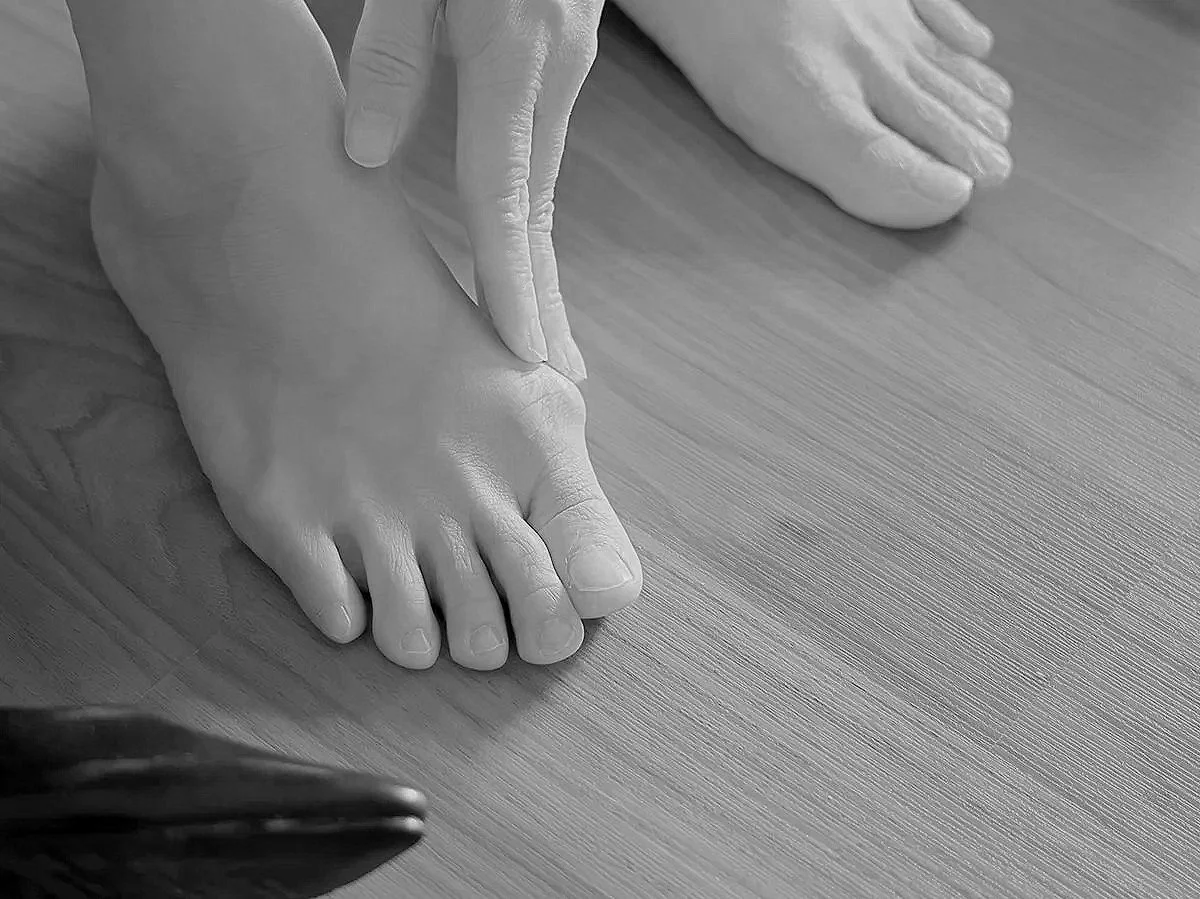
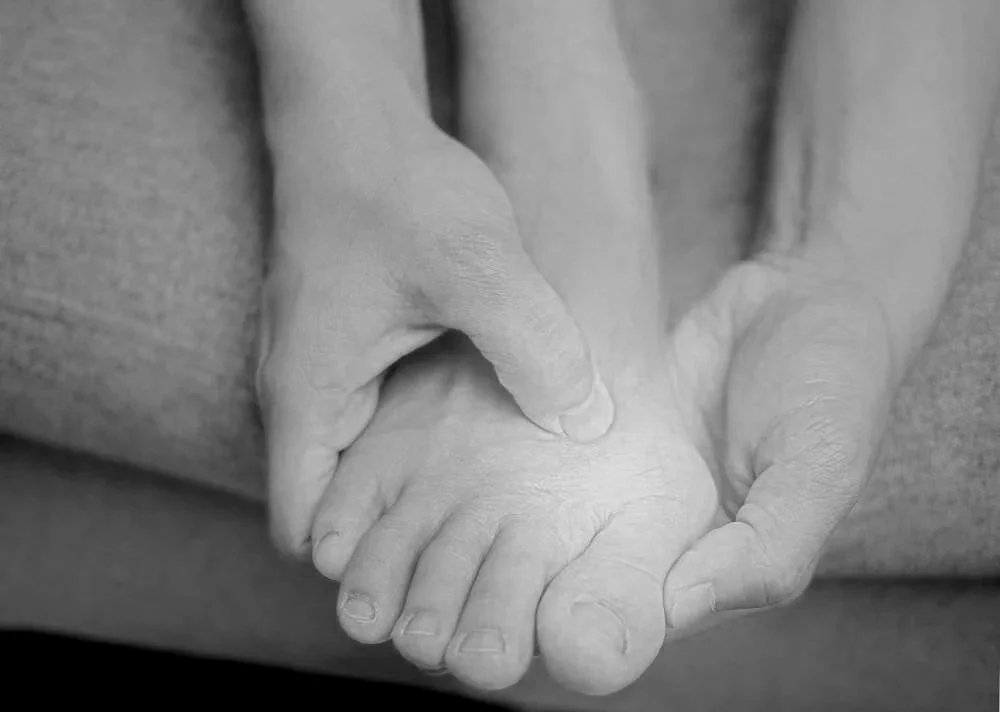
Visible Bump
A noticeable bony prominence or swelling develops on the side of the big toe joint as the alignment of the first metatarsophalangeal (MTP) joint changes over time.Pain or Tenderness
Aching, throbbing, or sharp pain may occur around the bunion, especially when pressure is applied from footwear or during prolonged walking or standing.Swelling and Redness
Inflammation around the affected joint may cause visible swelling, redness, and sometimes warmth over the bunion area.Restricted Movement
Progressive stiffness of the big toe joint can develop, making it more difficult to bend or move the toe comfortably.Calluses or Corns
Thickened skin may form due to friction and pressure, especially where the big toe overlaps or rubs against adjacent toes or footwear.Foot Fatigue
Generalized aching or discomfort in the forefoot may occur, particularly after extended periods of standing, walking, or wearing restrictive shoes.
Cause & risk Factors


Genetics
A family history of bunions significantly increases the risk of developing them. Inherited foot structure, joint flexibility, and biomechanics can predispose individuals to progressive toe misalignment.Footwear
Tight, narrow, or high-heeled shoes can compress the toes and place abnormal pressure on the forefoot. Over time, this can worsen or contribute to bunion development and progression.Foot Structure
Certain foot types, such as flat feet, low arches, overly flexible ligaments, or abnormal bone alignment, may increase stress on the big toe joint and contribute to bunion formation.Arthritis
Inflammatory conditions such as rheumatoid arthritis can damage joint structures, leading to instability, deformity, and bunion development.Occupation or Lifestyle
Activities that involve prolonged standing, repetitive forefoot stress, or wearing restrictive footwear—such as ballet, teaching, retail, or hospitality—can increase the risk of bunion formation or progression.
Diagnosis & Test

Physical Examination
A healthcare provider will perform a thorough examination of the foot, assessing the alignment of the toes and the prominence of the first metatarsophalangeal (MTP) joint. They will also evaluate symptoms such as pain, swelling, tenderness, range of motion, and any associated skin changes like calluses or irritation from footwear.Imaging (X-rays)
X-rays are commonly used to confirm the diagnosis and determine the severity of the bunion deformity. They help assess bone alignment, joint space, and any associated degenerative changes or arthritic involvement, which are important in guiding treatment options.Patient History
A detailed history is taken to understand symptom progression, pain triggers, family history of bunions, occupational demands, activity level, and footwear habits. This information helps identify contributing factors and tailor an appropriate treatment plan.
Management & Treatment
1️⃣ Conservative Management
Conservative treatment focuses on reducing pain, improving foot mechanics, and slowing progression of the deformity. While these measures do not reverse the bunion, they can provide significant symptom relief and are often recommended for mild to moderate cases or for patients who are not surgical candidates.
Footwear Modification
Wear shoes with a wide toe box, soft upper materials, and good arch support to reduce pressure over the bunion and prevent irritation or worsening of the deformity.Padding and Taping
Bunion pads, toe spacers, or taping techniques can help reduce friction, protect the prominent joint, and provide temporary alignment support.Orthotics
Custom or over-the-counter orthotic inserts help improve foot biomechanics, redistribute pressure across the forefoot, and reduce stress on the big toe joint.Medications
Non-prescription anti-inflammatory medications such as ibuprofen or naproxen may help reduce pain and inflammation during flare-ups.Ice Therapy
Applying ice packs to the affected area for 10–15 minutes at a time can help decrease swelling and provide temporary pain relief, especially after prolonged activity or shoe wear.
2️⃣ Surgical Intervention
Surgery may be recommended for bunions that cause persistent pain, progressive deformity, or significant limitations in daily activities despite appropriate conservative treatment. The goal of surgery is to realign the toe, correct underlying bone and joint deformity, and reduce pain while improving function.
Types of Procedures
Minimally Invasive Surgical Correction
In selected cases, a minimally invasive approach may be performed through small incisions. This technique can reduce soft tissue disruption and may be associated with less postoperative pain, smaller scars, and a potentially quicker recovery compared to traditional open procedures. Suitability depends on the severity and type of deformity.Stabilizing Midfoot Correction (Lapidus Procedure)
The Lapidus procedure involves fusion of the first tarsometatarsal joint to correct instability at the root cause of the bunion. This is often recommended for patients with significant hypermobility or more severe deformities, as it provides strong long-term correction and stability.Arthrodesis
Arthrodesis involves fusion of a joint to correct alignment and eliminate painful motion. It is typically reserved for severe deformity or arthritic joints where preservation of motion is not ideal.Bunionectomy
A bunionectomy involves removal of the bony prominence at the bunion site, often combined with soft tissue and bone realignment procedures to improve alignment and reduce pain.Osteotomy
An osteotomy involves cutting and repositioning the bones of the toe or metatarsal to restore proper alignment. The bones are then stabilized using screws or other fixation devices to maintain correction during healing.
Prevention

Proper Footwear
Choose shoes with a wide toe box, adequate arch support, and good cushioning to reduce pressure on the big toe joint.Avoid High Heels
Limit the use of shoes with heels higher than 2 inches, as they can increase pressure on the forefoot and contribute to bunion progression.Maintain a Healthy Weight
Maintaining a healthy body weight helps reduce stress and pressure on the feet.Foot Strengthening and Stretching Exercises
Perform toe stretches and foot-strengthening exercises regularly to help maintain muscle balance and support proper joint function.Early Intervention
Seek evaluation for early symptoms such as bunion pain, redness, swelling, or toe misalignment. Prompt treatment may help slow progression and reduce discomfort.Consider Orthotics When Needed
Custom or over-the-counter orthotics may help improve foot mechanics and reduce excessive stress on the bunion deformity.Monitor Changes Over Time
Regularly monitor for worsening deformity, increased pain, or difficulty with footwear, and seek professional evaluation if symptoms progress.
Prognosis
Mild to Moderate Bunions (Early Stages)
Good Prognosis
Non-surgical treatment options such as proper footwear, orthotics, padding, activity modification, and anti-inflammatory medications can effectively manage pain and inflammation.Conservative Management
With appropriate care and regular monitoring, many patients are able to maintain normal function, remain active, and slow progression of the deformity.Footwear Modification
Wearing supportive shoes with a wide toe box and avoiding tight-fitting footwear can reduce pressure on the bunion and improve comfort.Activity and Lifestyle Adjustments
Limiting high heels and activities that aggravate symptoms may help decrease pain and prevent worsening of the deformity.
Severe Bunions (Advanced Stages)
Fair to Good Prognosis
As the deformity progresses, patients may experience increased pain, difficulty with footwear, joint stiffness, and limitations in daily activities. Surgical correction may become necessary when conservative treatment is no longer effective.Surgical Intervention
Various surgical procedures, including osteotomy, Lapidus fusion, and bunionectomy techniques, can correct alignment, relieve pain, and improve function. Surgical outcomes are generally favorable when postoperative instructions are followed.Postoperative Recovery
Recovery time varies depending on the procedure performed and may range from several weeks to several months. Physical therapy and gradual return to activity may be recommended.Risk of Recurrence
Although surgery can provide lasting correction, recurrence may occur, particularly if underlying biomechanical factors are not addressed or if improper footwear is continued.Long-Term Outlook
Most patients experience significant improvement in pain, shoe wear tolerance, and quality of life with appropriate treatment and ongoing foot care.
FACTORS INFLUENCING PROGNOSIS
Severity of the Deformity
Mild bunions often respond well to conservative treatment, while more advanced deformities may require surgical correction to relieve symptoms and restore alignment.Age and Activity Level
Younger and more active individuals may experience improved healing potential and functional outcomes following treatment, although successful outcomes can be achieved at any age with appropriate care.Footwear Choices
Wearing supportive shoes with a wide toe box and avoiding tight or high-heeled footwear can help reduce symptoms and slow progression of the deformity.Underlying Foot Structure and Biomechanics
Flat feet, ligament laxity, abnormal gait mechanics, and other structural abnormalities may contribute to bunion progression and influence treatment outcomes.Presence of Associated Conditions
Conditions such as arthritis, inflammatory joint disease, diabetes, or neuromuscular disorders may affect prognosis, healing, and treatment options.Compliance with Treatment
Consistent use of prescribed orthotics, appropriate footwear, activity modifications, and adherence to postoperative instructions can significantly improve outcomes.Surgical Outcomes
Successful surgical correction depends on multiple factors, including deformity severity, procedure selection, bone quality, healing capacity, and adherence to postoperative care recommendations.
LONG-TERM OUTLOOK
With Conservative Treatment
Many patients with mild to moderate bunions achieve satisfactory symptom relief and maintain normal daily activities through appropriate footwear, orthotics, and activity modification.With Surgical Treatment
Most patients experience substantial improvement in pain, alignment, function, and shoe wear tolerance following surgery. Long-term outcomes are generally favorable when postoperative guidelines are followed.Without Treatment
Bunions may gradually worsen over time, potentially leading to increased pain, progressive deformity, joint stiffness, difficulty finding comfortable footwear, transfer metatarsalgia, hammertoe deformities, and limitations in walking and physical activity.Overall Prognosis
The overall prognosis for bunions is generally favorable. Early recognition and appropriate treatment can help minimize symptoms, slow progression, maintain function, and improve quality of life.
Bunions can cause pain, difficulty finding comfortable shoes, and interfere with your daily activities. Early treatment can help relieve discomfort, slow progression of the deformity, and improve overall foot function. Whether your symptoms are mild or more advanced, our team offers personalized treatment options designed to meet your needs and lifestyle goals.